69 - What is the point of common coupling (PCC)?
4:11
• Point of Common Coupling (PCC): The Point of Common Coupling (PCC) is important to understand from both the utility and customer perspectives. It plays an important role as the point where the utility's network meets the customer's, and potentially their neighbors'. This is crucial for managing harmonics in the power system. • Harmonics Management: Harmonics, which are produced by loads and can affect neighboring systems. Utilities play a key role in preventing customers from producing harmonics that could disrupt the power system. • IEEE 519 Standard: We discuss the IEEE 519 standard, stressing that it should be applied to evaluate the installation containing nonlinear loads as a whole, rather than individual loads. This approach helps in understanding the overall system effect of harmonics. • Voltage and Current Distortion: We cover the requirements for not exceeding certain levels of total demand distortion, or TDD, from a current standpoint and avoiding voltage harmonic distortion. • Utility and Customer Concerns: There are mutual concerns of utilities and customers regarding harmonics. Utilities enforce regulations to prevent customers from affecting each other negatively, while customers are concerned about being affected by their neighbors' harmonics. Eaton’s Harmonic Frequently Asked Question’s FAQs collection of videos hosted by Dan Carnovale can help individuals from all different levels of education understand what harmonics are and explain many different solutions for mitigating harmonics on an electrical power system. Dan Carnovale P.E. has decades of experience in power quality and harmonics and is a recognized electrical industry expert in power quality and power systems. He is the creator and director of Eaton’s Power Systems Experience Centers (PSEC) in Pittsburgh PA and Houston TX. The PSECs provide visitors live demonstrations of hands-on power quality and harmonic situations and solutions can be seen first-hand in the Power Quality Lab. Visit Eaton’s harmonics knowledge website featuring harmonic solutions, harmonic calculators, access to white papers, and more: https://www.eaton.com/harmonics See our entire harmonics FAQs playlists: https://www.youtube.com/watch?v=U36ywxWHIy8&list=PL8XobqCtN9Z8maXVw0kYDLjmhBO275-bE&pp=gAQBiAQB For an educational overview of harmonics in person, visit one of Eaton’s Power Systems Experience Centers: http://eaton.com/experience #harmonics #powerquality #electricalengineering #electricalsafety #eatonexperience #experiencecenter
• Point of Common Coupling (PCC): The Point of Common Coupling (PCC) is important to understand from both the utility and customer perspectives. It plays an important role as the point where the utility's network meets the customer's, and potentially their neighbors'. This is crucial for managing harmonics in the power system. • Harmonics Management: Harmonics, which are produced by loads and can affect neighboring systems. Utilities play a key role in preventing customers from producing harmonics that could disrupt the power system. • IEEE 519 Standard: We discuss the IEEE 519 standard, stressing that it should be applied to evaluate the installation containing nonlinear loads as a whole, rather than individual loads. This approach helps in understanding the overall system effect of harmonics. • Voltage and Current Distortion: We cover the requirements for not exceeding certain levels of total demand distortion, or TDD, from a current standpoint and avoiding voltage harmonic distortion. • Utility and Customer Concerns: There are mutual concerns of utilities and customers regarding harmonics. Utilities enforce regulations to prevent customers from affecting each other negatively, while customers are concerned about being affected by their neighbors' harmonics. Eaton’s Harmonic Frequently Asked Question’s FAQs collection of videos hosted by Dan Carnovale can help individuals from all different levels of education understand what harmonics are and explain many different solutions for mitigating harmonics on an electrical power system. Dan Carnovale P.E. has decades of experience in power quality and harmonics and is a recognized electrical industry expert in power quality and power systems. He is the creator and director of Eaton’s Power Systems Experience Centers (PSEC) in Pittsburgh PA and Houston TX. The PSECs provide visitors live demonstrations of hands-on power quality and harmonic situations and solutions can be seen first-hand in the Power Quality Lab. Visit Eaton’s harmonics knowledge website featuring harmonic solutions, harmonic calculators, access to white papers, and more: https://www.eaton.com/harmonics See our entire harmonics FAQs playlists: https://www.youtube.com/watch?v=U36ywxWHIy8&list=PL8XobqCtN9Z8maXVw0kYDLjmhBO275-bE&pp=gAQBiAQB For an educational overview of harmonics in person, visit one of Eaton’s Power Systems Experience Centers: http://eaton.com/experience #harmonics #powerquality #electricalengineering #electricalsafety #eatonexperience #experiencecenter
Electrical distribution Similar Videos
-
Electrical loads explained: residential vs. commercial vs. industrial | Eaton PSEC
10:26
This video explains electrical loads across residential, commercial, and industrial sectors and how power and energy are used, and why electrification, EVs, data centers, and advanced manufacturing are driving higher energy demand and grid evolution.
-
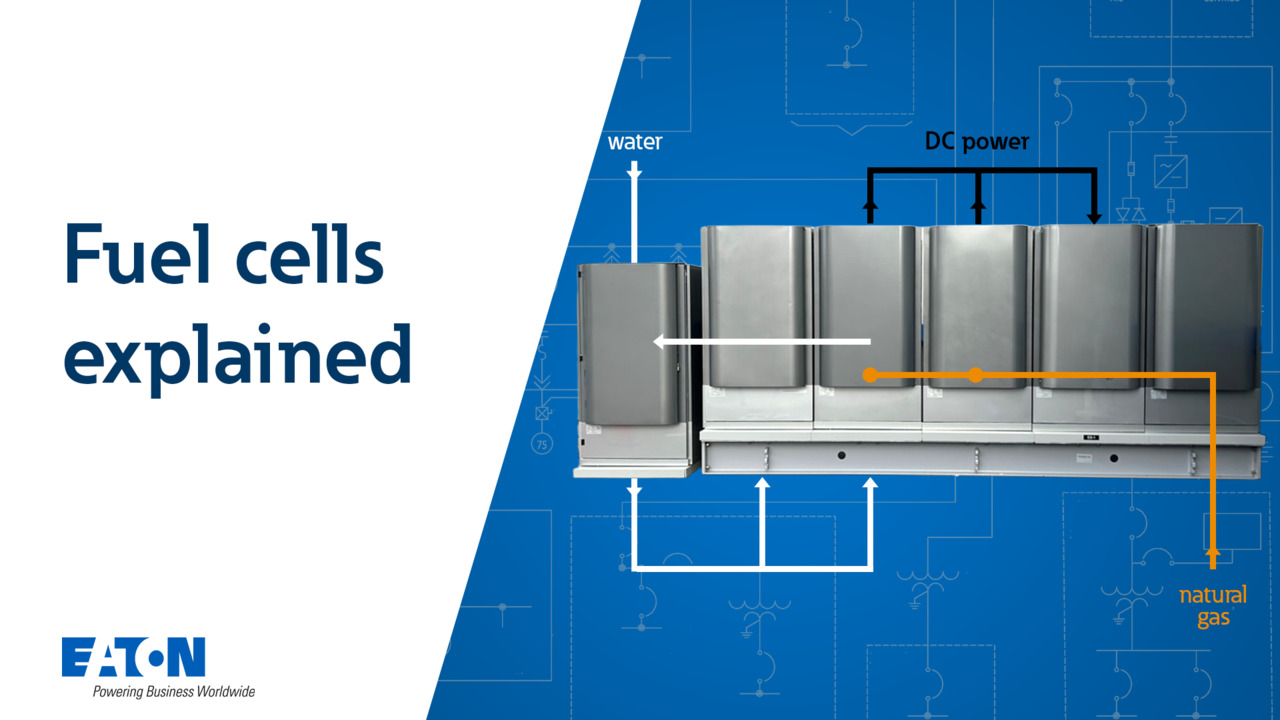
Fuel cells explained | Eaton PSEC
13:31
Learn how fuel cells work and how they deliver continuous, clean power. Fuel cells can integrate seamlessly with microgrids, support islanded operation, reduce utility demand, and enhance overall reliability and resilience.
-
Medium-voltage switchgear fundamentals | Eaton PSEC
15:50
Explore medium-voltage switchgear types including metal-clad, metal-enclosed, and compact switchgear. Learn key standards, design features, and advancements that enhance reliability, reduce downtime, and improve protection in power systems.